


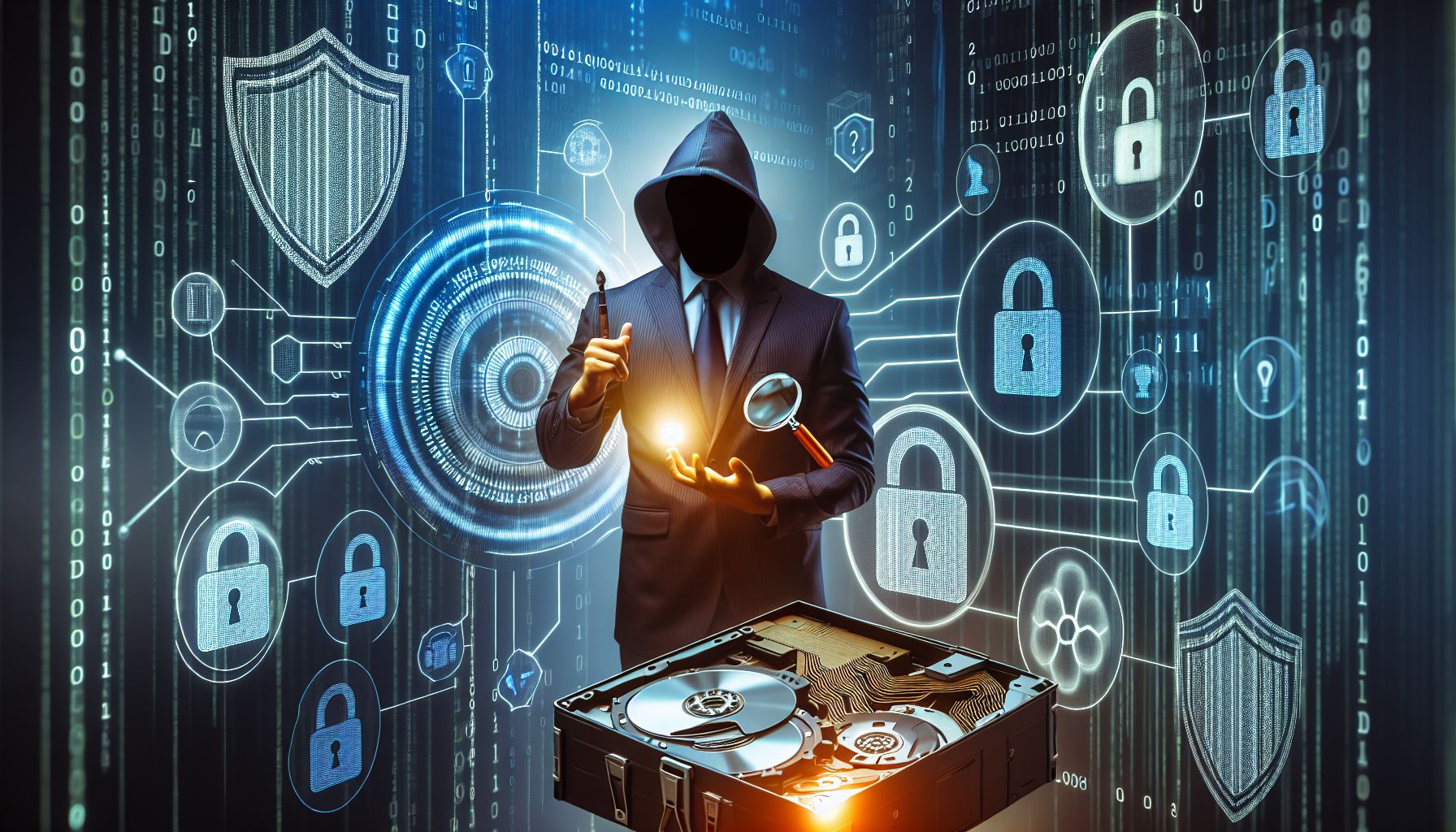
Hello there, tech-savvy friends! Today, we’re going to delve into the fascinating world of cyber forensics and data privacy. In an age where our lives are becoming increasingly digital, it’s more important than ever to protect our sensitive information from prying eyes. So, grab your detective hat, and let’s uncover the secrets of safeguarding data in the digital age.
Introduction to Cyber Forensics
First things first, let’s talk about cyber forensics. Cyber forensics is the application of investigative and analytical techniques to gather and preserve evidence from digital devices. This evidence can be crucial in solving cybercrimes, such as hacking, data breaches, and cyber-attacks. By examining digital traces left behind by malicious actors, cyber forensic analysts can reconstruct events and identify the culprits.
Tools of the Trade
Now that we understand the importance of cyber forensics let’s take a look at some of the tools that are used in the field. One of the most commonly used tools is a forensic imaging tool, which creates an exact copy of a digital device’s storage for analysis. Another essential tool is forensic analysis software, which helps analysts identify, collect, and interpret digital evidence.
Forensic analysts may also use network monitoring tools to detect and analyze suspicious network activity. These tools can help identify unauthorized access, data exfiltration, and other malicious activities on a network.
Data Privacy: A Critical Concern
In addition to cyber forensics, data privacy is another hot topic in the tech world. With the rise of Data Breach Services and privacy scandals, protecting personal information has never been more important. Data privacy refers to the policies and practices that govern how personal information is collected, used, and shared. Organizations must have strong data privacy measures in place to prevent unauthorized access and ensure the confidentiality of sensitive data.
Best Practices for Data Privacy
So, what can tech professionals do to protect data privacy? Here are some best practices to keep in mind:
- Implement strong encryption: Encrypting sensitive data can help prevent unauthorized access and protect information from cyber threats.
- Practice good password hygiene: Use complex, unique passwords for each account and consider using a password manager to keep track of them.
- Keep software up to date: Regularly updating software can help patch security vulnerabilities and protect against potential threats.
- Limit access to sensitive data: Restrict access to sensitive information to only those who need it and implement user authentication mechanisms to control access.
By following these best practices, tech professionals can help safeguard data and protect against potential threats to data privacy.
Conclusion
In conclusion, cyber forensics and data privacy are essential components of a secure digital environment. By understanding the principles of cyber forensics and implementing best practices for data privacy, we can protect sensitive information from unauthorized access and safeguard against cyber threats. So, remember to stay vigilant, stay informed, and keep your data safe in the digital age. Happy sleuthing, tech detectives!